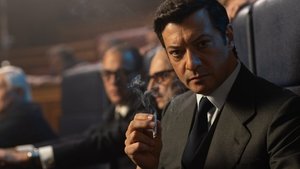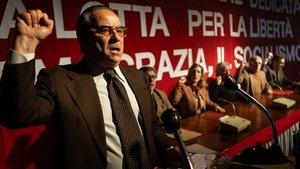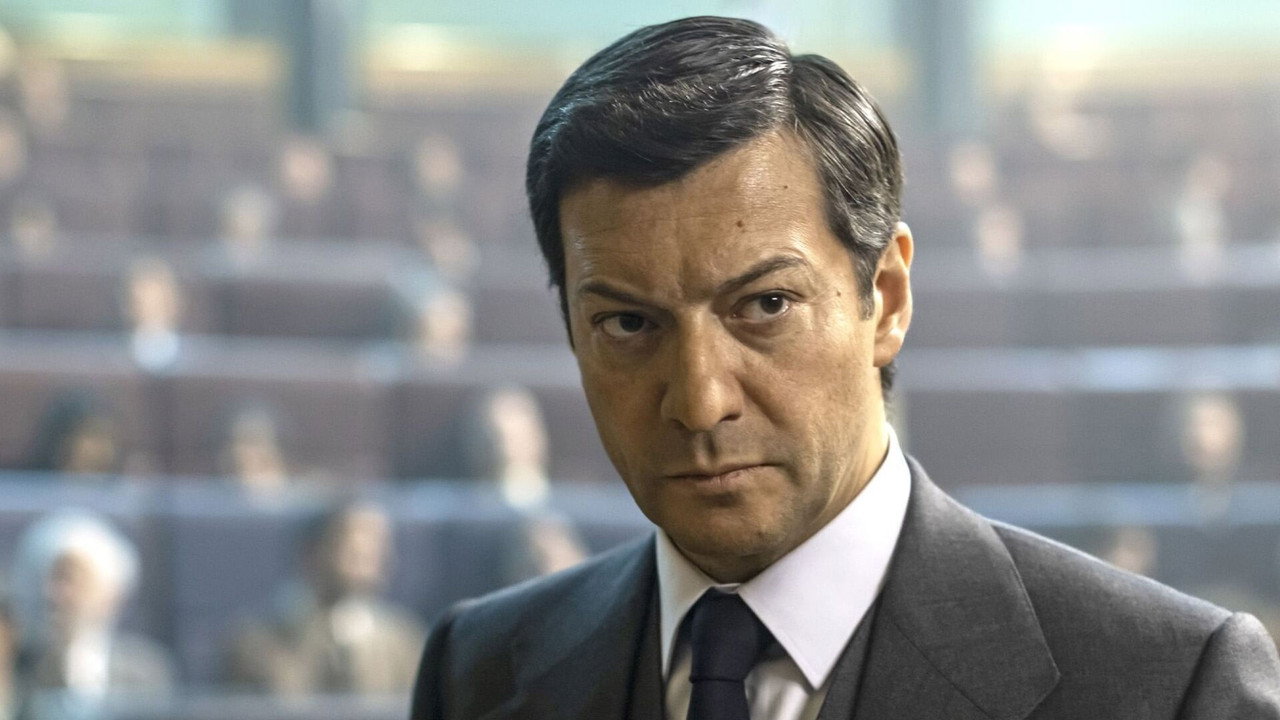
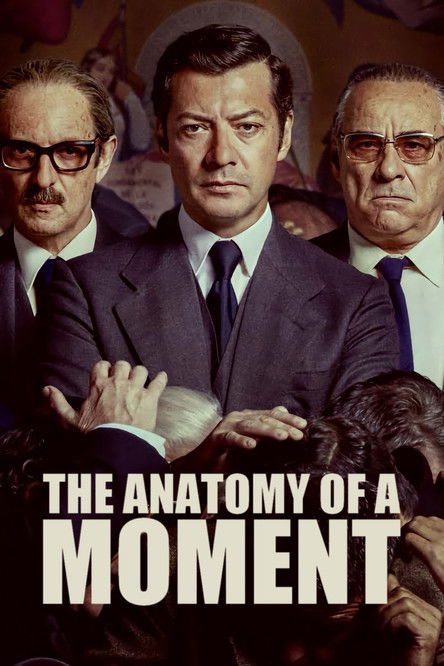

Madrid, Spain, February 23, 1981. A group of Civil Guards storm into the Congress of Deputies and terrorize those present by firing shots into the air. Only three men remain unmoved: Prime Minister Adolfo Suárez; Vice President Manuel Gutiérrez Mellado; and Santiago Carrillo, leader of the Communist Party.
Javier Cercas
Movistar Plus
1. A Falangist from the provinces
7.3
Adolfo Suárez assumed the presidency with the support of King Juan Carlos and led the transition to democracy, facing mistrust and obstacles from the Franco regime. His greatest challenge was to dismantle the regime without causing upheaval and to legalize the Communist Party, a move that put his legitimacy at stake and sparked political and military tensions.

2. A Revolutionary Facing a Coup
7.3
Santiago Carrillo, who went into exile after Franco’s death, pressed for his return and the legalization of the Communist Party. He entered Spain clandestinely and negotiated with Suárez, securing the legalization of the PCE at the cost of being branded a traitor by his own party and facing the electoral disappointment that marked his decline.

3. A Coup Leader Facing a Coup
7.7
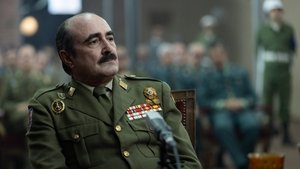
General Gutiérrez Mellado supported Suárez in consolidating democracy and bringing the military under civilian control. He endured hostility from the military and the turmoil caused by ETA’s violence, remaining loyal to Suárez until his resignation, amid growing tensions and clashes, particularly with Milans del Bosch.

4. All the Details of the Coup
7.7
The February 23 coup is reconstructed through the trial of Armada, Milans del Bosch, and Tejero. The episode highlights the motivations and actions of the coup plotters and the resolve of Suárez, Carrillo, and Gutiérrez Mellado during the assault on Congress. Without the King’s support, the coup fails, and those primarily responsible are convicted.