
Blending stunning architecture, historical archive footage, and fascinating stories, the series traces the golden age of cinema, from glamorous premieres and legendary film stars to personal memories and cultural milestones. It reveals how these magnificent movie palaces survived wars, crises, and changing viewing habits, remaining vibrant cultural landmarks and places of shared emotion in the age of digital streaming.
Axel Fuhrmann
ARTE

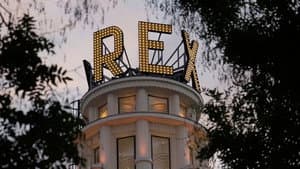
1. Grand Rex Paris
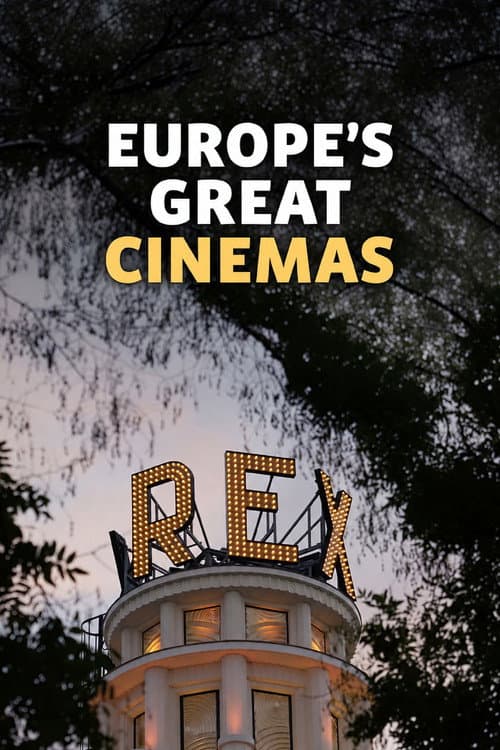
Opened in 1932, the Grand Rex cinema in Paris has the highest capacity of any cinema in the world. The art-deco creation, much-loved by Paris audiences and a major landmark in the French capital, has had a long and fascinating history.

2. Lichtburg, Essen
Focus on Europe’s most beautiful temples of the silver screen. In this episode we discover the Lichtburg in Essen, Germany. Built in 1928 in the New Objectivity style, the building was in a sorry state by the late 1990s. Filmmaker Wim Wenders campaigned to save the building, which was subsequently restored to its former grandeur.

3. Royal Theatre Tuschinski, Amsterdam
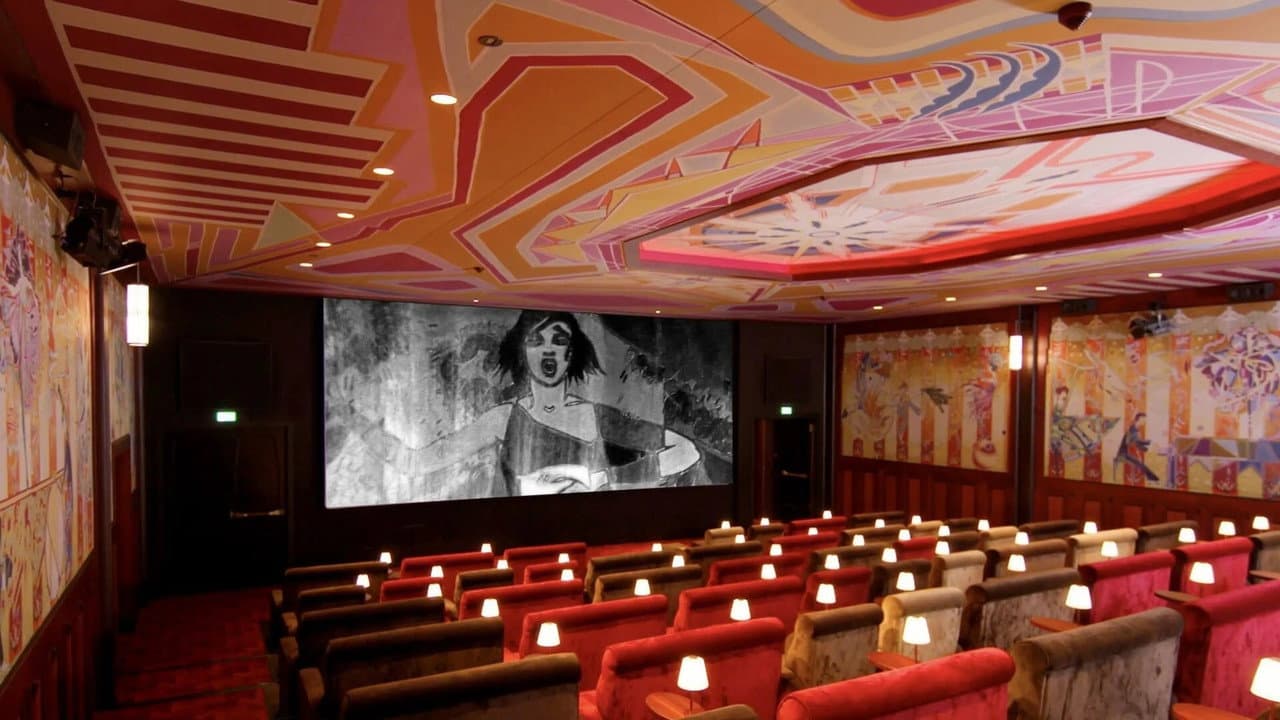
Designed in a unique style that mixes elements of Art Nouveau, Art Deco and the Amsterdam School, this extraordinary cinema was commissioned by Jewish entrepreneur Abraham Tuschinski. Opened in 1921, it was the chosen venue for the European premiere of Steven Spielberg’s 'Schindler's List'.

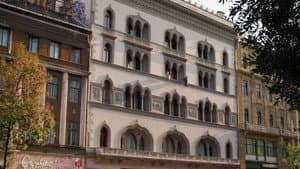
4. Urania National Film Theatre, Budapest
Built by the German architect Henrik Schmal in Budapest in 1896 as a variety theatre, the Uránia National Film Theatre remains an architectural landmark of the Hungarian capital to this day.